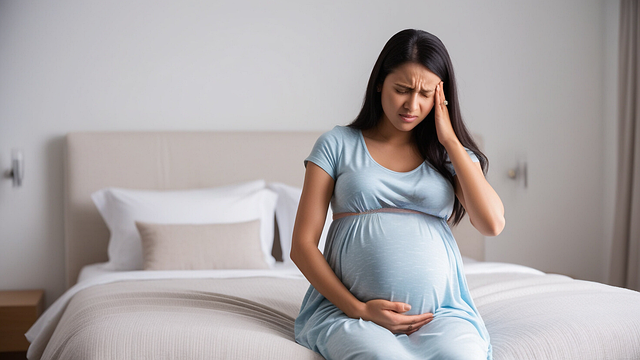
Managing migraine in pregnancy is a unique challenge because your body goes through massive hormonal shifts. For many women, the journey toward motherhood brings many physical changes. If you live with chronic migraines, you might worry about how they will act during these nine months. Research shows that most women—specifically between 60% and 70%—have fewer attacks while pregnant. This improvement usually starts after the first three months when the body stops having the sharp hormone drops that happen during a normal period.
Hormonal Impacts on Migraine in Pregnancy
Stable hormones are the main reason headache patterns change. During a normal monthly cycle, estrogen levels drop fast before a period, which often triggers painful episodes. However, during pregnancy, estrogen levels stay high and steady. This stability helps the brain’s pain system stay calm. It also reduces the release of CGRP, a molecule that causes migraine pain. People who usually get “period headaches” often find a lot of relief during this time.
Unfortunately, not every woman gets this “break” in their symptoms. A small group, especially those who see flashes or spots (migraine with aura), might find that their symptoms actually get worse. You must track these changes closely with a doctor.
Risks and Monitoring for Mother and Baby
While many people feel better, migraine in pregnancy can sometimes point to higher risks for other health problems. Experts have found that women with worsening migraines might have a higher chance of developing high blood pressure during pregnancy (preeclampsia). There is also a link to a higher risk of stroke because of shared heart and blood vessel risks.
Because of these risks, doctors emphasize the importance of check-ups. You should work with your medical team to create a plan that looks at your history and your current health. Safety is the top priority for both the mother and the developing baby.
Post-Partum Recovery and Breastfeeding
The relief you feel during pregnancy is often temporary. After the baby arrives, migraines usually return quickly, especially for women under age 30. Interestingly, breastfeeding seems to protect the brain. Women who do not breastfeed often see their attacks return faster than those who do.
The time after birth brings extreme tiredness and stress, which are both common triggers. Lack of sleep during the first few months can lower your “limit” for pain and make you more likely to get a headache. Setting a steady routine whenever you can is a key part of staying healthy after pregnancy.
Supporting Wellness with Migraceutics
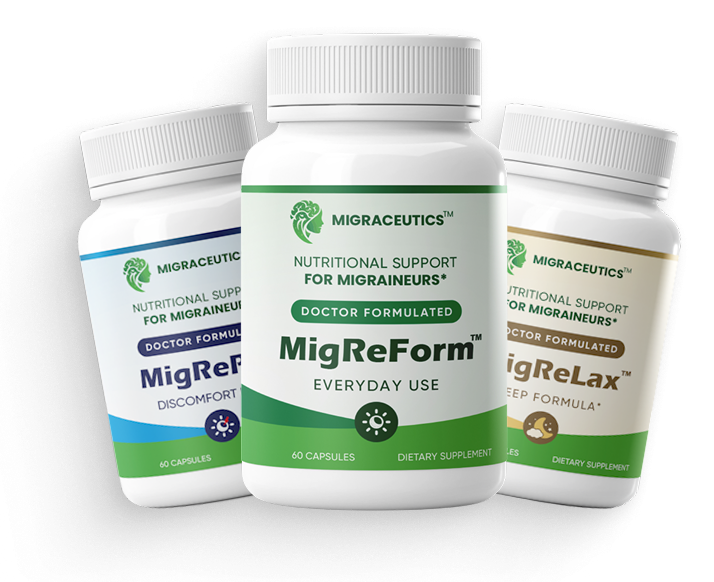
When you are pregnant or breastfeeding, you must be very careful about the medicines you take. Many traditional drugs are off-limits during this time. This makes natural options very popular for many mothers. Migraceutics offers a system designed to support your brain health using high-quality nutrients.
The Migraceutics system provides a gentle way to keep your brain’s “threshold” steady. The daily formula, MigReForm, contains vitamins and minerals like magnesium that help the brain stay strong. For times when you need help relaxing, MigReLax uses herbs like lemon balm. Additionally, MigRePair offers support during an actual attack using ingredients like feverfew. These products provide a natural way to support your health during this important life stage.
A Holistic Approach to Management of Migraine in Pregnancy
In addition to nutrition, daily habits are essential for managing migraine in pregnancy. You should focus on a regular sleep schedule and drink plenty of water. Gentle exercise, like walking or light stretching, can also help reduce the number of attacks. Relaxation tricks, like deep breathing, keep your nervous system from getting too excited.
By combining these healthy habits with a good diet, you can better manage your health. Every woman’s experience is different, so you must listen to your body. Taking control of your health lets you focus on the joy of your new baby. With the right plan, you can navigate pregnancy with strength and confidence.